

On this page
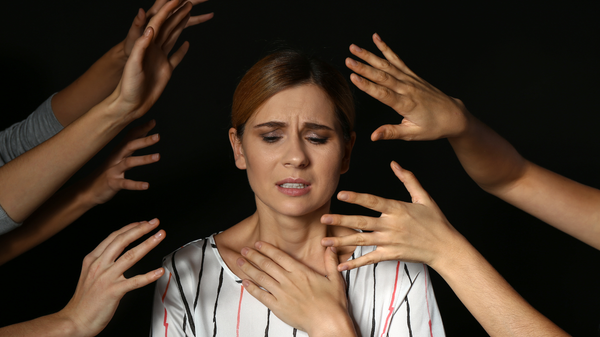
You're not being dramatic. Your hormones are.
If you've ever been dismissed with an eye-roll when you mention PMS, let's set the record straight: premenstrual syndrome is a real physiological phenomenon involving massive shifts in estrogen, progesterone, and cortisol. And yes, those shifts can absolutely affect your mood, your body, and your sense of self for about two weeks a month.
The problem? Most people treat PMS like it's optional—something you just "tough out." But when you understand what's actually happening in your body during the luteal phase, you realize it's not weakness. It's biochemistry.
What PMS Actually Is: More Than Just Cramps
Let's talk about the menstrual cycle. During the follicular phase (days 1–14), estrogen gradually rises. Your energy is up, your skin looks good, socializing feels easy. Then ovulation happens, and your body shifts into the luteal phase.
In the luteal phase, both estrogen and progesterone rise—but here's the kicker: they rise and fall unevenly. Progesterone, which is supposed to be calming, can't always keep up with the cortisol spike your body triggers in response to stress. Simultaneously, your metabolism speeds up, which means your nutrient needs increase. And if estrogen clearance isn't optimal, you can get a buildup of circulating estrogen, which amplifies everything else.
This is PMS. It's not one symptom. It's a cascade.
The Real Signs Your Hormones Are Off
You might experience some or all of these during the luteal phase:
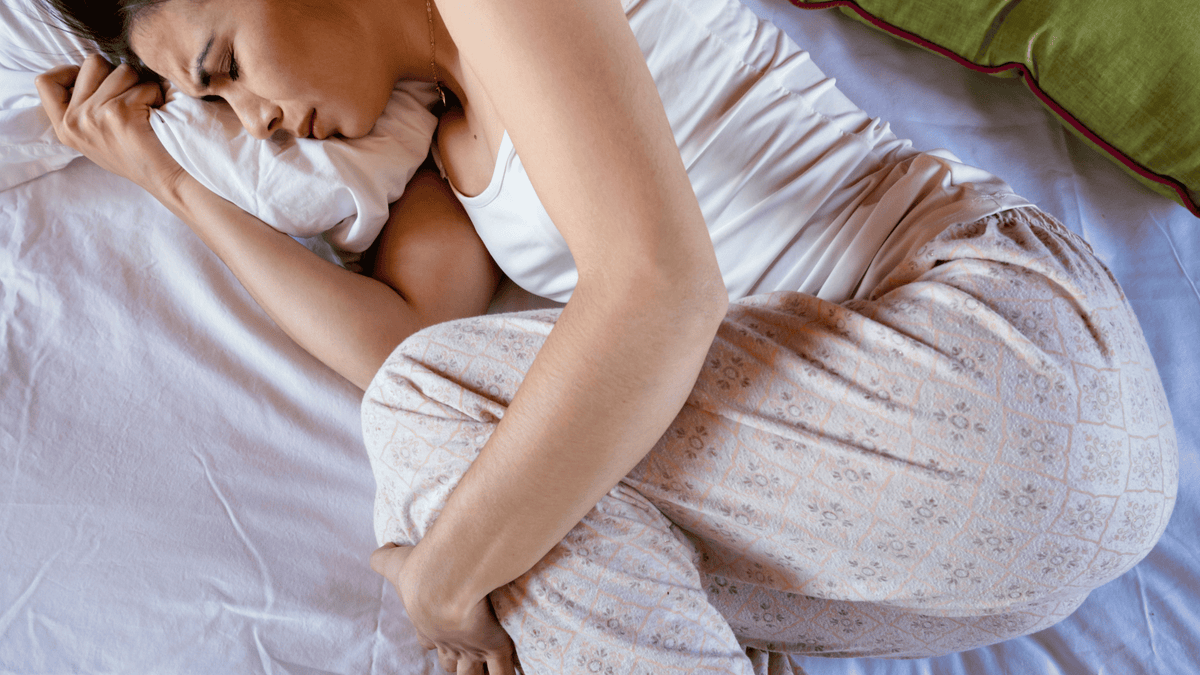
Mood spirals. The depression, anxiety, or irritability that shows up like clockwork. This isn't sadness—it's your serotonin dropping as progesterone fluctuates. You feel it acutely because you felt fine two weeks ago.
Breast tenderness and bloating. Excess circulating estrogen can trigger inflammation and fluid retention. Your bras become weapons. Your jeans don't fit.
The "wired but tired" feeling. You're exhausted, but your nervous system is wound tight. You can't sleep, even though you desperately need rest. This is cortisol dysregulation meeting progesterone deficiency.
Sleep disruption. Progesterone supports deeper, more restorative sleep. When it's fluctuating, sleep quality tanks. You wake up at 3 a.m., or you can't fall asleep even though you're exhausted.
Food cravings and blood sugar chaos. Your metabolism is faster in the luteal phase—you genuinely need more calories—but when blood sugar destabilizes, cravings intensify. You're not weak; you're hungry and dysregulated.
Headaches or migraines. Often tied to the estrogen dip around menstruation and exacerbated by dehydration and low magnesium.
Brain fog and decision fatigue. Cognitive function actually declines during the luteal phase for many people. This isn't laziness.
What's Happening in Your Body: The Physiology
During the luteal phase, your basal metabolic rate increases by 5–10%, meaning you burn more calories, but you also need more magnesium, B vitamins, and other cofactors to manage that metabolism. At the same time, progesterone rises and binds to GABA receptors in your brain, which should calm you down—but if cortisol is elevated from chronic stress, progesterone can't do its job effectively.
The estrogen metabolism piece is critical. Your liver processes estrogen through a specific pathway, and if that pathway isn't functioning optimally, estrogen recirculates in your bloodstream. This amplifies every estrogen-dependent symptom: heavier periods, worse cramps, more severe mood symptoms, stronger bloating.
Research suggests that supporting estrogen clearance and cortisol balance may help ease the severity of luteal-phase symptoms.
What May Help: A Multi-Pronged Approach
Support Estrogen Clearance
One of the most researched approaches to supporting healthy estrogen metabolism is DIM (diindolylmethane), a compound found in cruciferous vegetables. Research suggests DIM may support the liver's natural estrogen clearance pathways. In a recent study of premenopausal women, those taking DIM showed a significant increase in the ratio of "good" to "less favorable" estrogen metabolites, which is associated with better hormonal balance.1 Another randomized, placebo-controlled trial found that DIM supplementation resulted in a sustained shift favoring a higher ratio of beneficial estrogen metabolites.2
Manage Cortisol and Stress
When cortisol is chronically elevated, it suppresses progesterone and makes everything worse. Adaptogens like Rhodiola Rosea may help normalize stress hormone release. In a double-blind, placebo-controlled study, subjects taking Rhodiola showed a 16% reduction in cortisol exposure and improvements in mood measures like tension, anger, and confusion.3
Lifestyle practices matter too: prioritize sleep, even if it means saying no to evening plans during your luteal phase. Move gently—yoga, walking, swimming—rather than pushing intense workouts. Your nervous system needs downregulation, not another stressor.
Magnesium and Nutrient Support
Magnesium is depleted during the luteal phase, and deficiency correlates with worse mood, cramps, and sleep. Research on magnesium supplementation and PMS suggests that daily magnesium intake of around 250–300 mg may support mood, bloating, and muscle relaxation during the luteal phase.4 Magnesium Glycinate, a highly absorbable form, is particularly well-tolerated.
Protein and Fiber
Eat more protein and fiber during the luteal phase. Protein stabilizes blood sugar and supports neurotransmitter production. Fiber feeds your gut bacteria, which play a role in estrogen metabolism.
ALORI's Approach: Tools, Not Fixes
Not Today, Estrogen contains DIM and Magnesium Glycinate as its cornerstone ingredients, plus Vitamin K2 (which supports bone health and estrogen metabolism), KSM-66® Ashwagandha (an adaptogen for stress), and Vitamin D3 and BioPerine® for absorption. Research suggests these ingredients work synergistically to support healthy estrogen clearance and stress management during the luteal phase.
If cortisol dysregulation is also part of your cycle, Cortisol, Who? provides Rhodiola Rosea (for stress adaptation), Tongkat Ali (which research suggests may support a healthier cortisol-to-testosterone ratio), Shilajit, Zinc Picolinate, Pregnenolone, and BioPerine®. It's designed to support your body's natural stress response and hormonal balance.
Both come with a 45-day guarantee because we know hormonal support isn't one-size-fits-all. It takes time, and if they're not working for you, send them back.
The Bottom Line
PMS isn't something you have to white-knuckle through. It's a signal that your hormones need support—better nutrient density, smarter supplementation, gentler movement, and prioritized rest. You're not dramatic. You're just listening to your body.
This content is for educational purposes only and is not intended to diagnose, treat, cure, or prevent any disease. These statements have not been evaluated by the Food and Drug Administration. Consult your healthcare provider before starting any supplement.
References
- "Exploring the impact of 3,3'-diindolylmethane on the urinary estrogen profile of premenopausal women." BMC Complementary Medicine and Therapies, 2024. PMC11583660
- Dalessandri KM, et al. "Pilot Study: Effect of 3,3'-Diindolylmethane Supplements on Urinary Hormone Metabolites in Postmenopausal Women." Nutrition and Cancer, 2004. PMID: 15623462
- Olsson EM, et al. "A randomised, double-blind, placebo-controlled, parallel-group study of the standardised extract SHR-5 of the roots of Rhodiola rosea in the treatment of subjects with stress-related fatigue." Planta Medica, 2009. PMID: 19016404
- "Evaluating the effect of magnesium and magnesium plus vitamin B6 supplement on the severity of premenstrual syndrome." Iranian Journal of Nursing and Midwifery Research, 2010. PMC3208934