


On this page
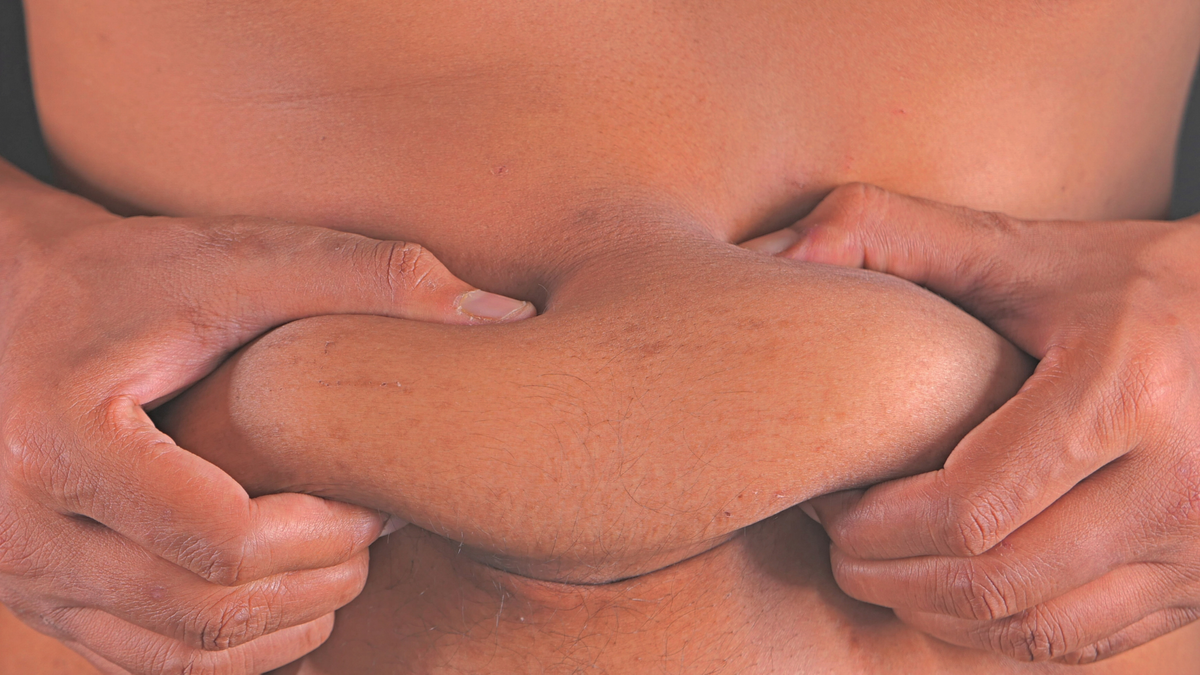
If you've been showing up for your workouts, eating clean, and drinking enough water to drown a small village—but your belly fat won't budge—you're not imagining it. Your hormones may be working against you.
Specifically, cortisol, estrogen, and insulin are three of the most common hormonal factors that can make weight management harder, especially around the midsection.
What Is Hormonal Belly Fat?
Hormonal belly fat is fat that accumulates due to underlying endocrine imbalances—not just calories in/calories out. It's often:
- 🥵 Stress-related (cortisol)
- ⚖️ Cycle-related (estrogen/progesterone imbalance)
- 🥯 Blood sugar-related (insulin dysregulation)
This kind of fat is stubborn—and tends to stick around no matter how hard you train or how few carbs you eat.
3 Hormones That Can Work Against You
1. Cortisol
When you're under chronic stress, your body produces excess cortisol. This keeps you in "survival mode," may signal fat storage (especially around your core), and can make it harder to build lean muscle.
High cortisol also disrupts sleep and may increase sugar cravings—two things that can interfere with your body composition goals.
Support approach: Adaptogens like Rhodiola Rosea may help support healthy cortisol levels and stress resilience. Rhodiola is one of the key ingredients in Cortisol, Who?, along with Tongkat Ali, Shilajit, Zinc, Pregnenolone, and BioPerine®.
2. Estrogen Imbalance
When estrogen is too high relative to progesterone, it can contribute to changes in fat distribution—particularly in the hips, thighs, and lower belly. This is especially common for women in their 20s–40s with PMS, PCOS, or irregular cycles.
Support approach: DIM (diindolylmethane, found naturally in cruciferous vegetables) may help support healthy estrogen metabolism through liver detox pathways. DIM is found in Not Today, Estrogen, along with Magnesium Glycinate, Vitamin K2, KSM-66® Ashwagandha, Vitamin D3, and BioPerine®.
3. Blood Sugar and Insulin
Hormones like estrogen and cortisol influence your insulin sensitivity. If your body is frequently spiking insulin (often due to stress, sugar, or inflammation), it becomes harder to burn fat—and easier to store it, especially in your core.
Support approach: Stabilize blood sugar with high-protein meals, fiber, strength training, and consistent sleep.
Why Dieting Harder Doesn't Work
Eating less and pushing harder in the gym might actually make things worse—by spiking cortisol and signaling your body to hold onto fat. The key is to work with your hormones, not against them.
Support Your Body, See Better Results
- ✨ Cortisol, Who?: May help support healthy cortisol levels, energy, and stress resilience
- ✨ Not Today, Estrogen: May help support healthy estrogen metabolism and hormonal balance
- 💫 The Balanced Baddie Bundle: Full-spectrum support for cortisol, estrogen, and energy
Final Thoughts
If you're doing "everything right" and still struggling with stubborn belly fat, it's worth looking at the hormonal side of the picture. Hormones matter. A lot.
Supporting your cortisol rhythm, estrogen metabolism, and blood sugar stability may all play a role in how your body responds to your efforts.
Ready to support your hormones?
Start here.
This content is for educational purposes only and is not intended to diagnose, treat, cure, or prevent any disease. These statements have not been evaluated by the Food and Drug Administration. Consult your healthcare provider before starting any supplement.