
On this page
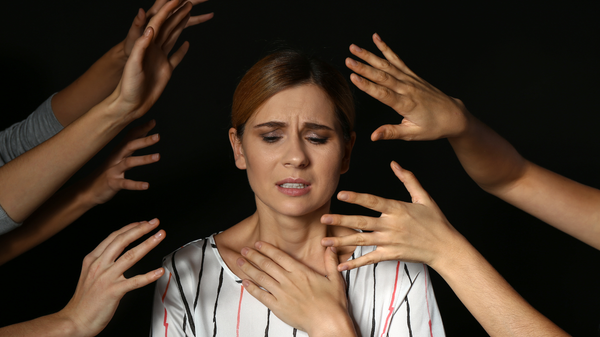
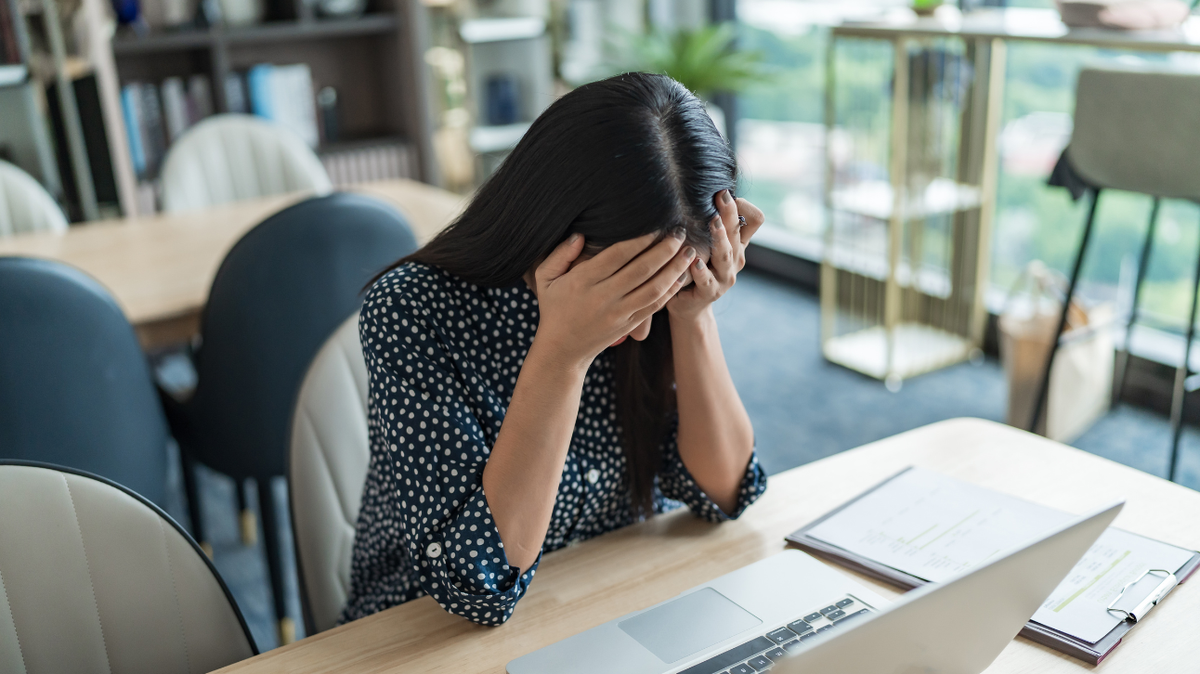
You wake up exhausted, even though you slept eight hours.
Your body feels heavy. Your mind feels foggy. You're short-tempered over small things. You crave sugar and caffeine constantly. Your body aches. You catch every cold that goes around. And no matter how much sleep you get, you never feel rested.
If this describes you, you're not lazy or weak. Your stress hormones are likely out of balance.
Stress hormones—primarily cortisol and adrenaline—are meant to help you survive acute threats. But modern life doesn't dial them down. Work stress, relationship tension, financial pressure, sleep deprivation, poor nutrition, and constant digital stimulation keep these hormones elevated 24/7. Over time, this creates a cascade of physiological stress that exhausts your body and disrupts every other hormone system you have.
The good news? You can restore balance. Understanding how stress hormones work and making targeted lifestyle and supplement changes can bring your cortisol rhythm back into sync and help your body actually recover.
Ready to support your stress hormones?
Cortisol, Who? was formulated for exactly this. With Rhodiola, Tongkat Ali, Shilajit, and Pregnenolone, it targets the HPA axis to help your body build real stress resilience — not just mask the exhaustion. Read on to understand the science, then decide if it belongs in your routine.
What Are Stress Hormones & Why They Matter
The Stress Response System
When you encounter a real or perceived threat, your body triggers the HPA axis (hypothalamic-pituitary-adrenal axis), which releases two main stress hormones:
Adrenaline (Epinephrine)
- Secreted immediately from the adrenal medulla
- Increases heart rate, blood pressure, and alertness
- Redirects blood from digestion to muscles (fight-or-flight response)
- Should return to normal within minutes after the stressor ends
Cortisol
- Released from the adrenal cortex, typically 20-30 minutes after a stressor
- Is meant to be your body's natural alarm clock: high in the morning to help you wake, declining through the day, lowest at night to allow sleep
- Mobilizes energy, sharpens focus, and suppresses non-essential functions (digestion, immunity, reproduction)
- In healthy amounts, cortisol is essential for health
Why Chronic Stress Becomes a Problem
In ancestral times, stress was acute: a predator, a famine, a threat. Once resolved, the body returned to baseline. But modern stress is chronic: ongoing work pressure, financial insecurity, relationship conflict, health anxiety, plus constant stimulation from screens and news.
When cortisol stays elevated for weeks or months, your body never gets the signal to "recover." This creates a state of perpetual activation that gradually wears down your physical and mental health.
The Cascade: How Stress Hormones Disrupt Everything Else
Cortisol Suppresses Progesterone Production
Cortisol and progesterone compete for the same precursor molecule (pregnenolone). Under chronic stress, cortisol "wins," leaving less raw material for progesterone synthesis.
This creates relative estrogen dominance—the exact cascade described in our Estrogen Dominance guide. You experience:
- Heavier, longer, more painful periods
- Intensified PMS symptoms
- Mood swings
- Breast tenderness
- Bloating
Cortisol Dysregulates Blood Sugar
Elevated cortisol increases insulin resistance and promotes fat storage, especially in the belly. You experience:
- Energy crashes and cravings for sugar and caffeine
- Difficulty losing weight, especially around the midsection
- Worsened metabolic health
Cortisol Impairs Digestion & Gut Health
Chronic stress shuts down digestion (non-essential during "threat"). This leads to:
- Poor nutrient absorption
- Dysbiosis (compromised gut bacteria)
- Intestinal permeability ("leaky gut")
- Worsened estrogen clearance (the estrobolome suffers)
Cortisol Suppresses Immune Function
Acute cortisol elevation mobilizes immunity; chronic elevation suppresses it. You become:
- Prone to frequent colds, flus, and infections
- Slower to recover from illness
- More susceptible to autoimmune flares
Cortisol Disrupts Sleep Quality
Even though cortisol should be lowest at night, chronic elevation keeps it elevated before bed, disrupting melatonin production. You experience:
- Difficulty falling asleep despite exhaustion
- Waking at 3-4 AM (the cortisol awakening response, but at the wrong time)
- Non-restorative sleep
- Worsened next-day cortisol rhythm
Signs Your Stress Hormones Are Out of Balance
Physical Exhaustion Signs
- Fatigue that doesn't improve with sleep
- Low energy throughout the day, especially afternoon crashes
- Muscle weakness or achiness (especially neck, shoulders, lower back)
- Frequent headaches or migraines
- Slow recovery from exercise or illness
- Weight gain, especially abdominal, despite diet and exercise effort
Metabolic Signs
- Sugar and caffeine cravings
- Difficulty concentrating, brain fog
- Memory problems
- Difficulty learning new information
- Tremors or shaking
Mood & Sleep Signs
- Irritability or emotional dysregulation
- Anxiety or racing thoughts, especially at night
- Difficulty falling asleep despite exhaustion
- Waking in the middle of the night
- Non-restorative sleep (you feel exhausted on waking)
- Low mood or lack of motivation
Immune & Inflammatory Signs
- Frequent colds or infections
- Slow wound healing
- Worsened autoimmune symptoms or flares
- Chronic inflammation (joint pain, digestive issues)
Root Causes of Chronic Stress Hormone Dysregulation
1. Chronic Psychological Stress
Work pressure, relationship conflict, financial insecurity, health anxiety, perfectionism, people-pleasing, and ongoing life demands create perpetual activation.
2. Poor Sleep Quality & Quantity
Sleep deprivation elevates cortisol and disrupts the normal circadian rhythm. Less than 7 hours nightly compounds stress hormone dysregulation.
3. Inadequate Nutrition
Nutrient deficiencies (especially B vitamins, magnesium, vitamin C, zinc) impair the stress response system's ability to regulate itself. Poor nutrition also dysregulates blood sugar, worsening stress hormone signaling.
4. Overtraining Without Recovery
High-intensity exercise without adequate rest acts as a physical stressor, elevating cortisol. Without recovery days, this becomes chronic.
5. Caffeine Overuse
Caffeine extends the adrenaline response and can dysregulate cortisol, especially if consumed in the afternoon.
6. Constant Digital Stimulation
Screens before bed suppress melatonin and keep the nervous system activated. News, social media, and notifications create micro-stressors throughout the day.
7. Circadian Disruption
Irregular sleep schedules, shift work, or traveling across time zones dysregulate the HPA axis.
Natural Ways to Support Healthy Stress Hormone Balance
Lifestyle Foundations
1. Master Sleep Timing & Quality
- Aim for 7-9 hours, with consistent bed and wake times
- Create a cool, dark, quiet bedroom (65-68°F is optimal)
- Stop screens 1-2 hours before bed (blue light suppresses melatonin)
- Avoid caffeine after 2 PM
- Avoid alcohol, especially in the evening (disrupts sleep architecture)
- Practice a wind-down routine: reading, gentle stretching, journaling, meditation
2. Move Your Body, But Recovery Matters
- Include both gentle movement (walking, yoga, tai chi) and strength training
- Take at least 1-2 complete rest days weekly
- Avoid excessive exercise (>60 min high-intensity daily without recovery)
- Walk after meals to regulate blood sugar (reduces cortisol spikes)
3. Manage Psychological Stress
- Practice daily stress-reduction: meditation, breathing exercises, progressive muscle relaxation
- Set boundaries with work and social obligations
- Practice saying "no" to protect your energy
- Engage in activities that bring joy and meaning
- Consider therapy or counseling if stress feels unmanageable
4. Optimize Nutrition
- Eat regular, balanced meals to stabilize blood sugar (prevents cortisol spikes)
- Include protein, healthy fats, and complex carbohydrates at each meal
- Increase magnesium-rich foods: spinach, pumpkin seeds, dark chocolate, almonds
- Include B vitamin foods: eggs, fatty fish, leafy greens, legumes
- Stay hydrated: 8-10 glasses water daily (dehydration elevates cortisol)
- Limit sugar, refined carbohydrates, and processed foods
5. Reduce Stimulation
- Limit caffeine: especially after 2 PM, and consider reducing overall intake
- Create "phone-free" hours, especially evening
- Unfollow or mute stress-inducing social media accounts
- Reduce news consumption (doomscrolling elevates cortisol)
- Create quiet, tech-free moments in your day
6. Foster Connection
- Spend time with loved ones (social connection lowers cortisol)
- Laugh and play (humor reduces stress hormones)
- Pet a dog or cat (petting animals lowers cortisol)
- Join a community or group aligned with your values
Supplemental Support: Science-Backed Ingredients
Rhodiola Rosea
- What it does: Supports stress resilience and mental fatigue
- Evidence: Research indicates Rhodiola reduces mental fatigue and improves mood during stress
Tongkat Ali (Eurycoma longifolia)
- What it does: May support healthy cortisol-to-testosterone ratio and stress resilience
- Evidence: Research suggests it reduces cortisol exposure and improves stress-related mood measures
Shilajit Extract
- What it does: Supports mitochondrial energy and endurance under stress
- Evidence: Standardized to 50% fulvic acid for consistent potency
Zinc (as Zinc Picolinate)
- What it does: Plays a role in cortisol regulation and hormone synthesis
- Evidence: Chronic stress depletes zinc; zinc picolinate is a highly bioavailable form
Pregnenolone (Micronized)
- What it does: Precursor hormone that may support healthy stress hormone balance and cognitive function
BioPerine® (Black Pepper Extract)
- What it does: May enhance absorption of the other active ingredients
How Alori's Cortisol, Who? Supports Healthy Stress Hormone Balance
Cortisol, Who? combines all six of these ingredients into one hormone-free, once-daily formula. Each serving (2 capsules) delivers:
- Zinc (as Zinc Picolinate) — 15 mg
- Rhodiola Root Powder (Std. 3% Rosavins, 1% Salidrosides) — 500 mg
- Shilajit Extract (Std. 50% Fulvic Acid) — 500 mg
- Tongkat Ali Extract 100:1 (Eurycoma longifolia) — 200 mg
- Pregnenolone (Micronized) — 200 mg
- BioPerine® (Black Pepper Extract) — 10 mg
How to Use:
- Take 2 capsules daily as part of a consistent routine
- Most users notice improved calm and sleep quality within 1-2 weeks
- Improved energy and stress resilience emerge over 2-4 weeks
- Works best when combined with the lifestyle practices above
- Can be taken alone or stacked with Not Today, Estrogen for comprehensive hormonal support
What to Expect:
- Weeks 1-2: Improved sleep quality, calmer nervous system
- Weeks 2-4: More stable energy, reduced afternoon crashes, improved mood
- Weeks 4+: Better stress resilience, sustained energy, improved emotional regulation
- Individual results vary based on baseline stress level, lifestyle factors, and consistency of use
FAQ: Stress Hormones & Supplementation
Q: How do I know if my cortisol is actually imbalanced?
A: You can order a saliva cortisol test or serum cortisol test through your healthcare provider, but if you have several symptoms listed above, supporting stress resilience is worthwhile regardless.
Q: Can supplements replace therapy or medication for anxiety?
A: Supplements support nervous system function but shouldn't replace professional mental health care. If you're experiencing severe anxiety or depression, consult a mental health professional.
Q: How long do I need to take these supplements?
A: Most people benefit from consistent use for 2-3 months, then reassess. Some continue long-term for maintenance; others use them seasonally during high-stress periods.
Q: Can I take Cortisol, Who? and Not Today, Estrogen together?
A: Yes. Many women benefit from both, as stress elevation suppresses progesterone and promotes estrogen dominance. Together, they address the cascade.
Q: What if supplements don't seem to help?
A: If you've been consistent for 4+ weeks and see no improvement, consult a healthcare provider. You may have an underlying thyroid issue, sleep apnea, depression, or other condition requiring medical attention.
Q: Is it safe to take Tongkat Ali long-term?
A: It has a favorable safety profile in research. Some people cycle it (8 weeks on, 2 weeks off). Consult your healthcare provider about what's best for you.
Q: Can I take this if I'm on anxiety or sleep medication?
A: Possibly, but consult your healthcare provider. Some supplements interact with medications. Never stop medications without medical guidance.
The Bottom Line: Exhaustion Is Not Your Baseline
That exhaustion you feel isn't your normal. Your body wants to be energized, clear-headed, and resilient. It just needs the right support to restore its stress response system.
Start with the foundations: Sleep, nutrition, movement, stress management, and digital boundaries form the base. These alone can shift your cortisol rhythm significantly.
Add supplemental support: Tongkat Ali, Rhodiola, Shilajit, and Pregnenolone amplify what lifestyle practices begin.
Be patient: Chronic stress took time to develop; sustainable recovery takes weeks to months. But most people report feeling dramatically different within 4 weeks of consistent, comprehensive support.
You deserve to wake up rested. You deserve afternoons without an energy crash. You deserve to feel like yourself again. With the right foundation, that's absolutely achievable.
*These statements have not been evaluated by the Food and Drug Administration. This article is for educational purposes only and is not intended to diagnose, treat, cure, or prevent any disease or health condition. Always consult a qualified healthcare provider before beginning any supplement regimen or making changes to your health routine. Individual results may vary.